
Dealer Guide
Lighting Specification Basics Guide
A practical guide for AV and custom integration dealers who need to understand the most common lighting specification questions: CCT, lumens, distribution, optics, housing types, fixture ratings, and when to ask for help.
Start Here
AV dealers do not need to become lighting engineers.
But they do need to know enough to ask the right questions. Most lighting issues start when color, output, distribution, optics, housing, or controls are assumed instead of confirmed.
The goal is not to memorize every fixture spec.
The goal is to understand what each spec means, why it matters, and when to bring DSG Metro or the lighting specialist into the conversation.
Ask About the Room Feel
Start with the experience. Warm, clean, dramatic, bright, soft, commercial, luxury, relaxed, or task-focused all lead to different lighting decisions.
Confirm the Ceiling and Environment
Document ceiling height, ceiling depth, insulation, attic condition, damp or wet location needs, and any building envelope requirements.
Choose the Lighting Job
Decide whether the fixture is for general illumination, task lighting, accent lighting, wall washing, wall grazing, or pathway lighting.
Verify Ratings and Controls
Confirm fixture rating, housing type, dimming compatibility, driver requirements, and control method before quoting or installing.
Core Lighting Terms
Understand these before quoting fixtures.
These are the terms AV dealers ask about most often when lighting becomes part of the project.
Color Correlated Temperature
CCT
CCT describes the color appearance of white light. Lower numbers feel warmer and more amber. Higher numbers feel cooler and more daylight-like.
Ask what the room should feel like before choosing a color temperature.
Total Light Output
Lumens
Lumens describe how much light a fixture produces. More lumens does not automatically mean better lighting. Placement, beam spread, dimming, glare, and the surface being lit all matter.
Do not sell brightness by itself. Sell the right amount of usable light for the application.
Where the Light Goes
Distribution
Distribution describes how light is spread from the fixture. A narrow distribution can highlight an object. A wider distribution can support general illumination.
The question is not only how bright the fixture is. The question is where the light is going.
How the Light Is Controlled
Optics
Optics shape, direct, soften, narrow, widen, or control the beam. Optics help manage glare, beam quality, wall washing, accenting, and visual comfort.
Optics are what make the light feel intentional instead of random.
CCT Quick Guide
Color temperature affects the feel of the space.
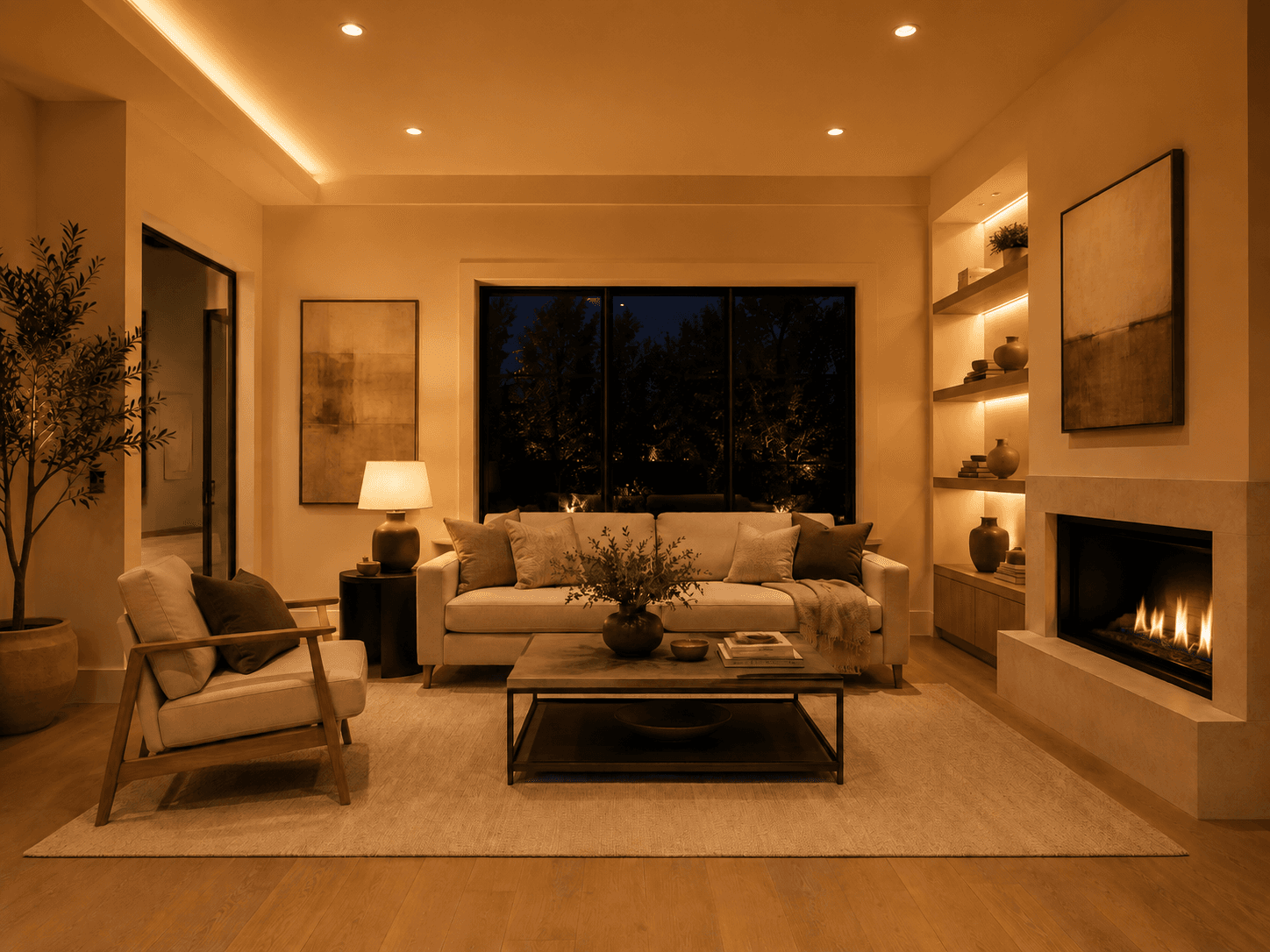
2700K
Warm, residential, comfortable
Living rooms, bedrooms, theaters, restaurants, hospitality, warm premium spaces
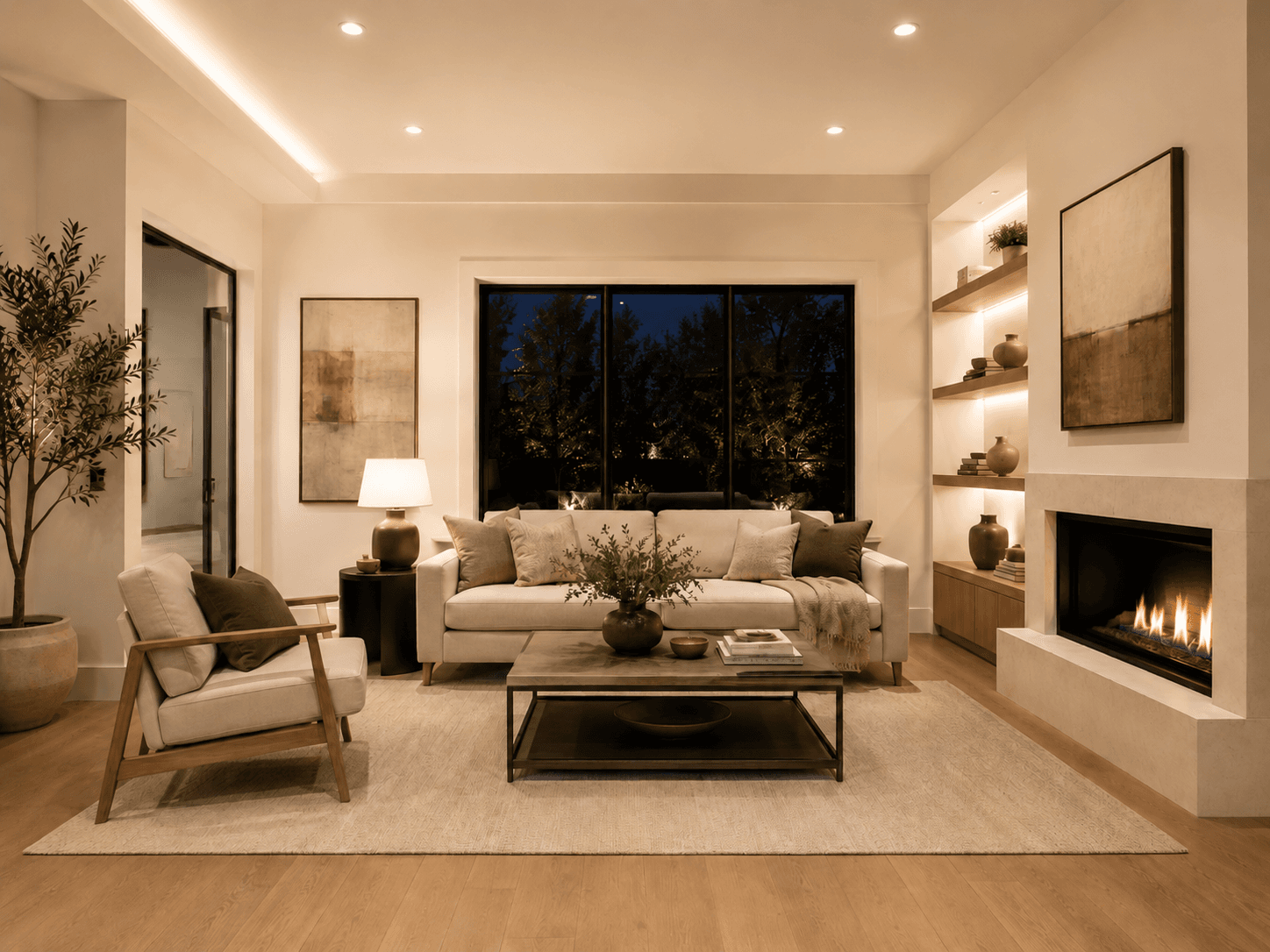
3000K
Warm neutral, clean residential
Kitchens, bathrooms, general residential, transitional spaces
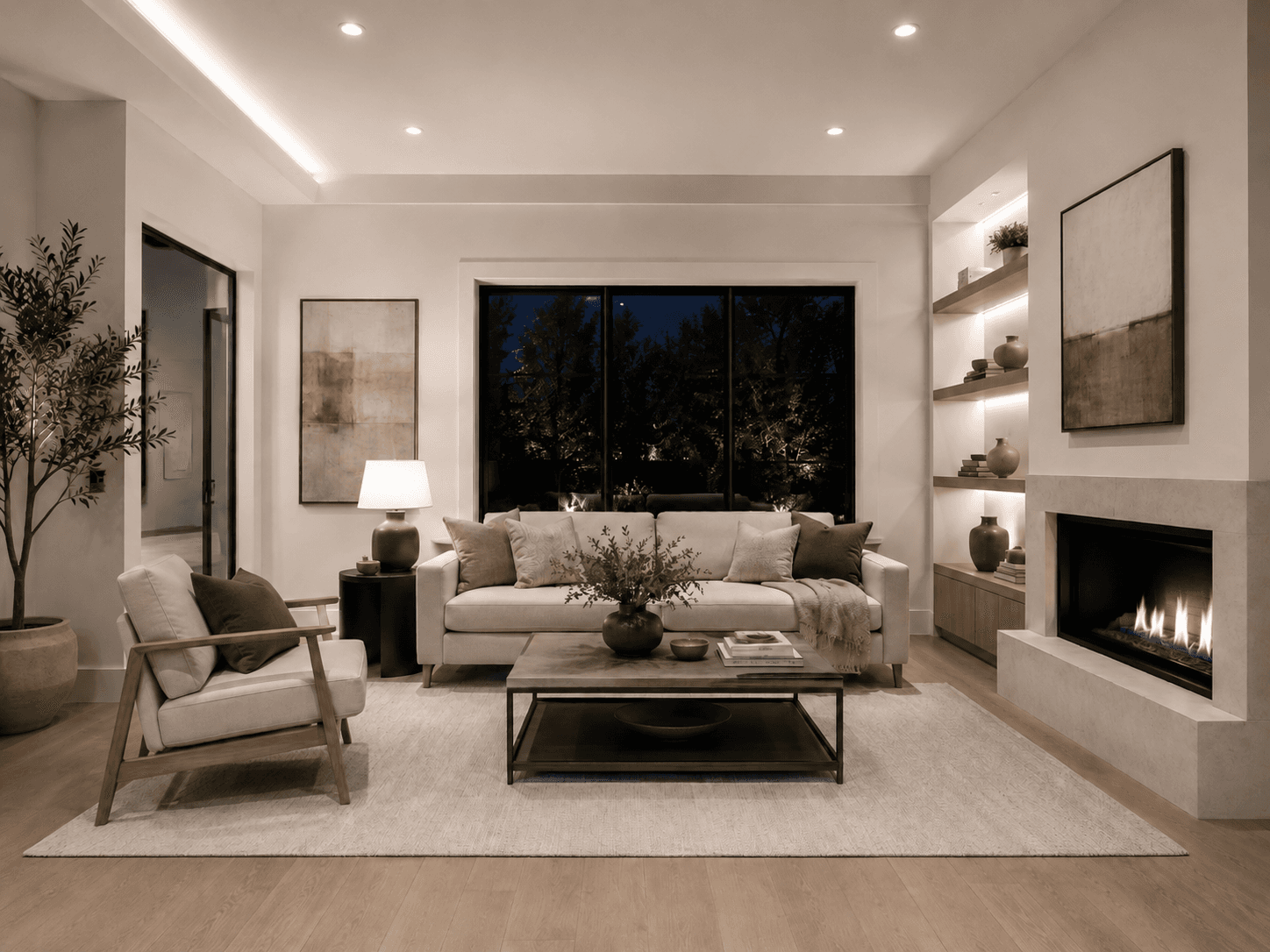
3500K
Neutral, balanced
Commercial spaces, offices, showrooms, work areas, mixed-use interiors
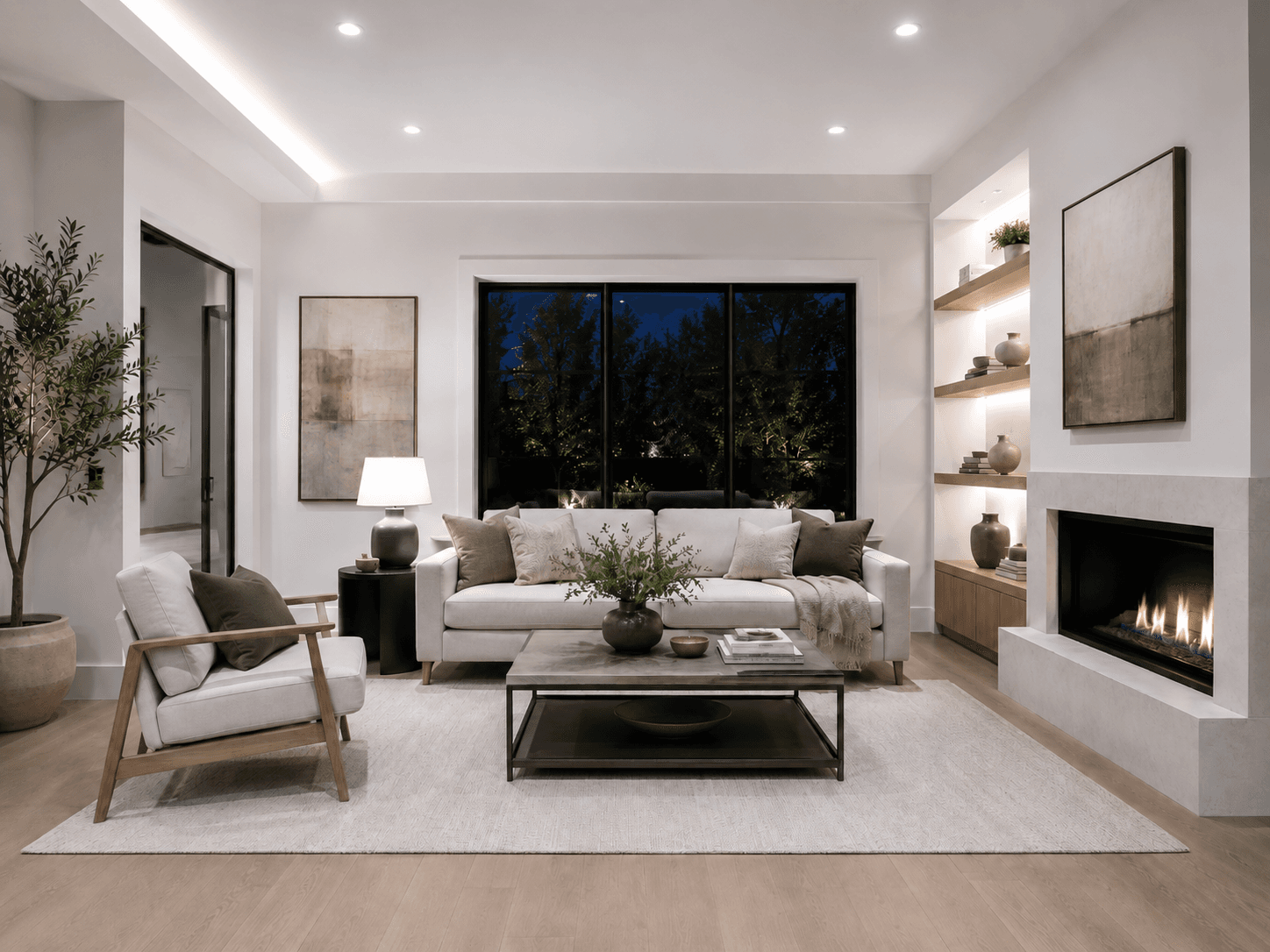
4000K+
Cooler, brighter, more clinical
Utility spaces, task-heavy areas, commercial, garage, warehouse, or specific client preference
Common Dealer Questions
Quick answers for better conversations.
What CCT should I use?
Start with the room experience. Warmer CCT usually feels more residential and relaxed. Cooler CCT can feel cleaner, brighter, or more commercial. Avoid mixing color temperatures in the same visual area unless there is a clear design reason.
How many lumens do I need?
Lumens depend on the room size, ceiling height, surface colors, fixture placement, beam spread, and task requirements. Do not choose fixtures by lumens alone. A lower-lumen fixture in the right position may outperform a brighter fixture in the wrong place.
What is beam spread?
Beam spread describes how wide or narrow the light pattern is. Narrow beams are useful for accenting. Wider beams are useful for general coverage. Ceiling height and target surface distance matter.
What are optics?
Optics control the shape and quality of the beam. They help determine whether the light is narrow, wide, soft, focused, comfortable, glaring, clean, or messy.
Why does glare matter?
A fixture can be bright enough and still feel bad if the source is uncomfortable to look at. Trim style, recess depth, fixture angle, seating position, and optics all affect glare.
When should lighting be discussed?
Early. Lighting should be discussed before rough-in, ceiling conflicts, cabinetry, millwork, insulation, and control locations are finalized.
Housing & Rating Basics
Know when to ask about the ceiling condition.
IC-Rated Housing
Used where the fixture may come into contact with insulation. Confirm fixture rating, ceiling condition, insulation condition, and electrician requirements before specifying.
Non-IC Housing
Used where insulation contact is not permitted. These applications require the installer to maintain the required clearance around the fixture based on manufacturer instructions and local code.
Airtight Housing
Used when air leakage through the ceiling needs to be reduced. This can matter for energy code, conditioned spaces, attic conditions, and building envelope requirements.
PAN / Panel-Style Fixtures
Often used when shallow depth, retrofit conditions, or limited ceiling space makes a traditional housing difficult. Confirm application, rating, dimming compatibility, and finished appearance.
Spec Checklist
Confirm before quote or rough-in.
Common Mistakes
Avoid these lighting specification misses.
- Choosing CCT without asking what the room should feel like.
- Using lumens as the only measure of whether a fixture is right.
- Ignoring beam spread and then wondering why the room has hot spots or dark areas.
- Not confirming ceiling height before choosing fixture output or distribution.
- Mixing color temperatures in connected spaces without a design reason.
- Forgetting to confirm IC, non-IC, airtight, damp, wet, or outdoor ratings.
- Assuming every recessed fixture works in every ceiling condition.
- Waiting until rough-in to ask about lighting fixture type, housing, or control.
Dealer Takeaway
Better lighting specs start with better questions.
AV dealers do not need to know every technical detail, but they should know enough to identify the right questions: color temperature, output, distribution, optics, housing type, rating, dimming, and control.
Easy positioning line:
“Before we choose the fixture, let’s confirm what the room should feel like, what we are trying to light, and what the ceiling condition allows.”
When to Call DSG Metro
Bring us in when the fixture question becomes a spec question.
DSG Metro can help you think through CCT, lumens, distribution, optics, fixture families, housing types, tape lighting, dimming compatibility, and control strategy before the project gets too far along.